The question I’m asked most frequently is, “what do you do at pelvic floor physical therapy?” As I begin to answer this question I’m typically cut off because people feel embarrassed and uncomfortable as I talk about my anatomy. Why ask the question if you’re not going to listen to my answer? Fair warning: I am going to answer this question as best as I can, going into full detail. Now is your chance to exit this page.
It’s the last week of August and I just got my diagnosis from my urologist. She has recommended that I seek physical therapy to improve my quality of life. She did not give me a referral for any particular physical therapist and she also did not specify what kind I’d be needing so I turned to google to do some research. Physical therapy near me is what I put into the search engine and selected the one that was closest to my house. After explaining my symptoms to the receptionist, he gave me the name and number to a pelvic health clinic and suggested I call them because they wouldn’t be able to help me there. Apparently you can’t go to a standard PT office to be treated for pelvic floor dysfunction, who knew?
I called Pelvic Health in Lexington, and I lucked out by getting an appointment the following day. Having very little knowledge on this subject, I turned to google (again) to do some research so that I wouldn’t go into this appointment unprepared. Unfortunately, information on pelvic health isn’t as accessible as I was hoping. When I think of physical therapy, I picture people recovering from broken bones and sprained ankles. My need for PT is a little different than the standard norm but I’d imagine this appointment would be similar – just needing a different area of my body worked on. I’d imagine that the first appointment would consist of discussing my medical history and seeing that the appointment is only an hour, I’d assume that we wouldn’t begin treatment right away.
At my first appointment with my physical therapist, my suspicions were confirmed. She asked me a litany of questions; rating my pain, the duration of urinary incontinence, specific triggers, any and all symptoms that may be related to PFD – the questioning went on for thirty minutes, taking up only half of the scheduled time. She then explained what a physical exam was like and why it was something she needed to perform. I agreed to the exam, even though every part of me wanted to say no because the thought of being exposed to a stranger frightened me. This was something that had to be done in order to get myself feeling better. She left me a paper gown on the exam table and she stepped out of the office so that I could get undressed from the waist down.
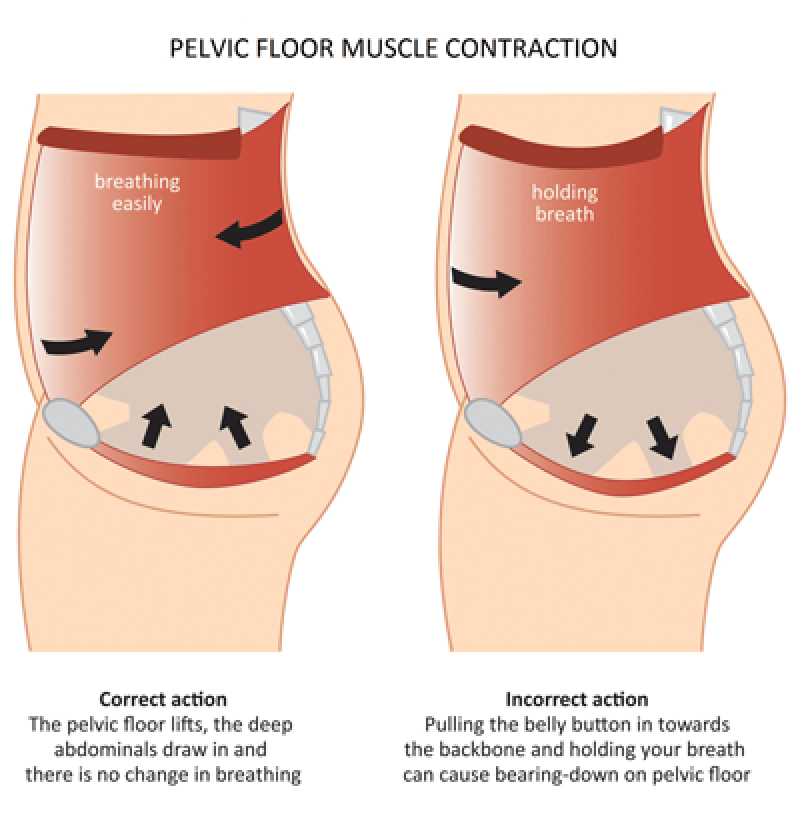
What started out like a Pap smear (I was naked from the waist down, she had gloves on) turned into a series of tests on the current state of my muscles inside my vagina. She very slowly and carefully used a finger to press on each muscle to assess how tight they were. The tighter the muscle, the more it hurt. But as she loosened each muscle – which usually took around 20 to 30 seconds – I felt better. She asked me to cough to see if the muscles would contract like they should, lifting up against the downward pressure of a cough, and they didn’t. She then asked me to demonstrate how I urinate as she applied pressure to the muscles that line my bladder. I strained, using the muscles from my core to push, but nothing changed internally. Her diagnosis: constant involuntary contracting of the muscles in my pelvis and abdomen, abnormal breathing causing me to suck my belly in (incorrect action in the picture above), insufficient voiding, and overflow incontinence.
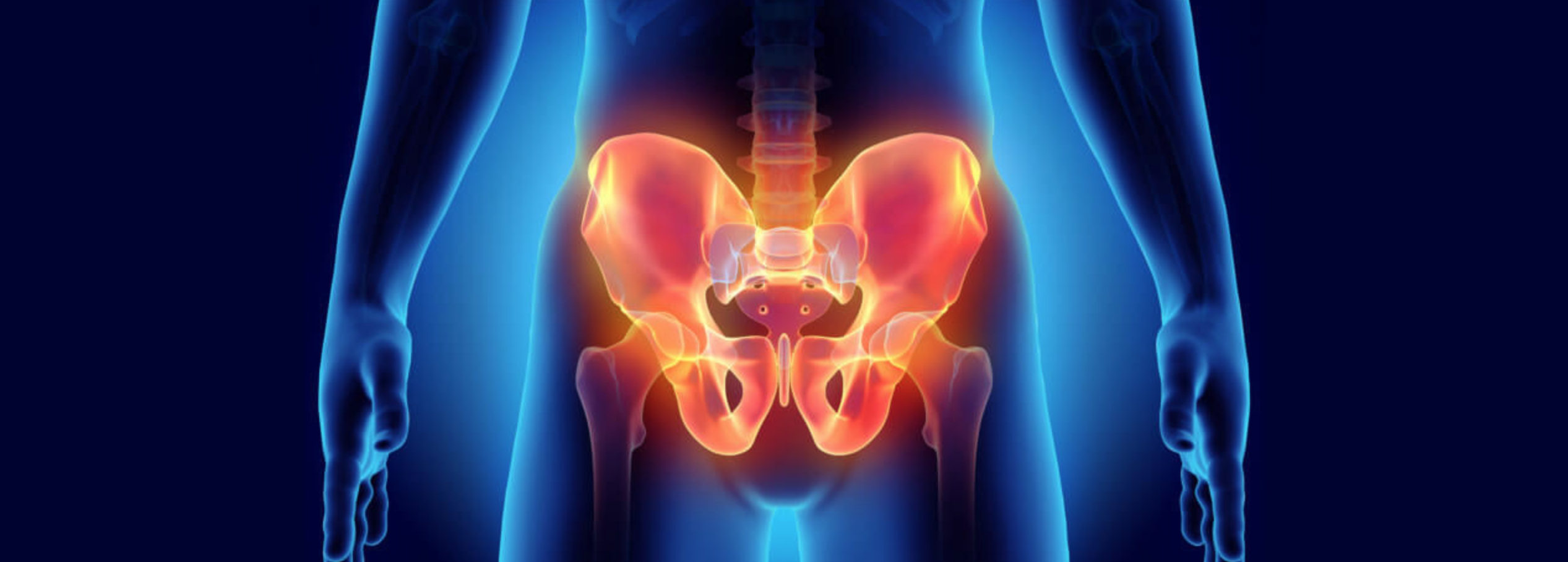
“The pelvic floor is like a hammock – stretching from your pubic bone to your tailbone and side to side – that holds up your bladder, bowel, and uterus. Just like other muscles in your body, your pelvic floor muscles can get tight, weak, function poorly or can become painful,” says my physical therapist. “In your case, they’re weak but also tight at the same time.” Her treatment plan: weekly physical therapy sessions which will consist of both internal and external massage therapy, dry needling, bladder and breathing training. She tells the majority of her patients that they will need 8 sessions of PT but in my case, she is requiring I go for a minimum of 16 sessions before reevaluating. Apparently, I have one of the worst cases she has seen.
She also assigned me homework to complete daily which consisted of, pelvic floor drops, a series of stretches, dynamic breathing, body scans, and my favorite (yes I am being sarcastic) dilator use. She has banned all physical activity until further notice and she suggested avoiding trigger foods. Finally, she recommended journaling my symptoms which is something I had been doing all summer. For being a fairly disciplined person, I’ve struggled with making my homework a priority which makes more work for my physical therapist. I’ve made excuses to myself about being too busy and I’ve set alarms on my phone as reminders. I have good days where I do them all, and others where I’m lucky if I do any.
It’s been six months since I started working with my physical therapist and luckily we’ve made a great amount of progress. Every week, I visit her and we talk through what I’ve done (homework wise), I ask if my conditions will ever go away hoping that one day she’ll say yes, she performs an internal exam, and we finish with massage therapy and dry needling. The internal massage therapy can be very uncomfortable at times especially when she presses on the muscles that are responsible for voiding. There has been a handful of times where I thought I was going to lose control of my bladder just from the pressure she puts on those muscles. Luckily I’ve had no accidents during the exams. As painful as dry needling is, it has helped my symptoms tremendously. More times than not, I leave my appointments covered in bruises from where the needles go in.
Any progress is better than none, and besides a few setbacks (going too hard at the gym) I have found a way to relax my muscles, relieving most of the pressure down there. I am able to void, for the most part, normally and the overflow incontinence has gone away completely. At the start of my journey, I set a very unrealistic goal of beating this thing, and to be honest I think that it is something that I will one day be able to achieve. In an experience that could easily feel invasive and uncomfortable, her professionalism and empathetic approach makes all the difference.


