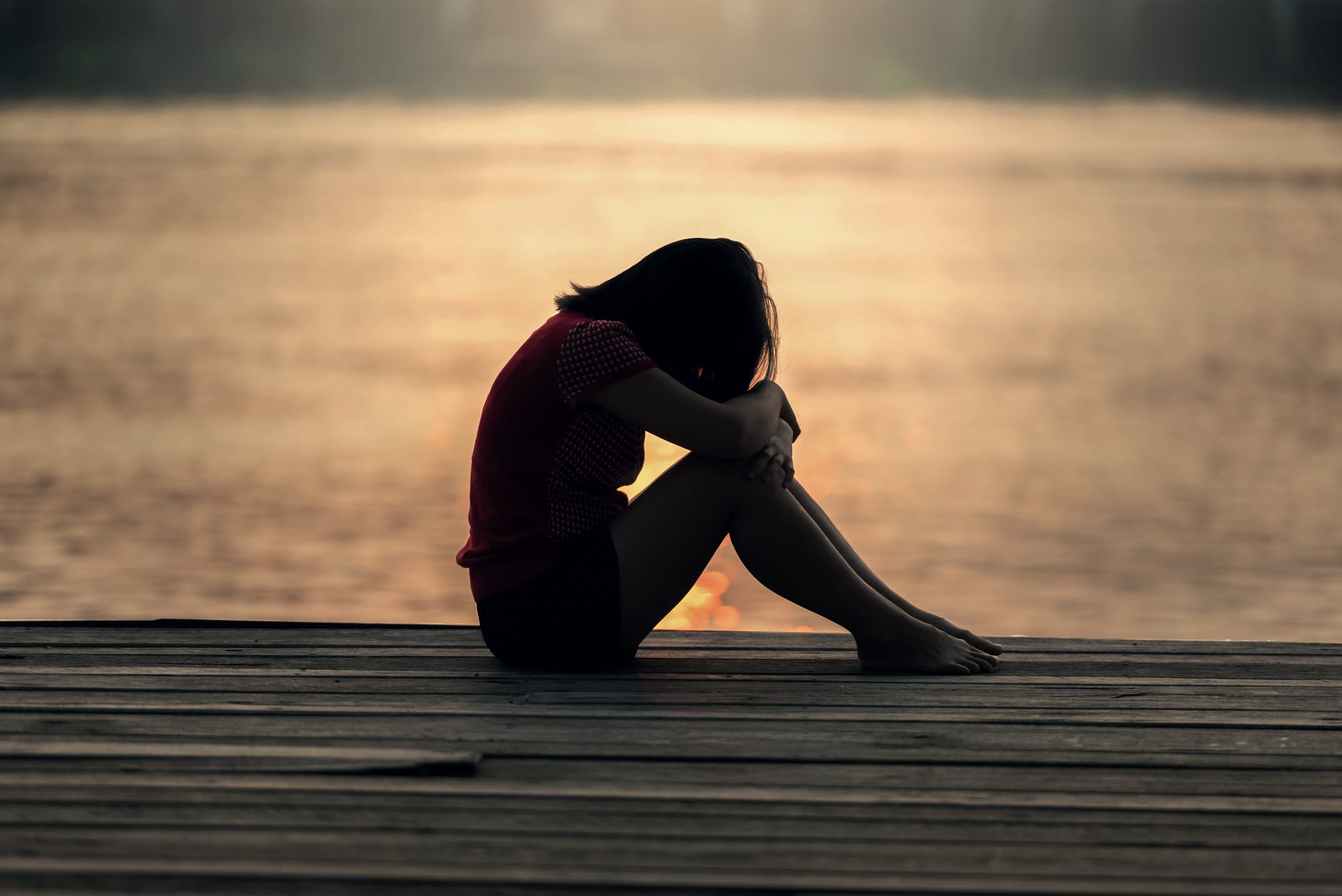
Everyone expects me to be okay with my condition. I’m here to tell you that’s not how it works.
After my best friend died from cystic fibrosis, my doctor told me that grief was a gradual process. She also implied that there was a time limit on it. “Three months is normal,” she told me. “Six starts to seem long.” but when you’ve lost a part of yourself, there is no estimable time within which you’ll be better, no deadline in which you forget. And I’ve found the same to be true of the expectation that I’ll “come to terms” with having interstitial cystitis.
IC is a disease of the nervous system. Faulty antibodies attack the body instead of protecting it, causing inordinate damage to the bladder. The condition creates lesions on my bladder tissue, leading to bladder pain and pressure, pain in my lower tummy, back, and urethra, the urge to go to the bathroom often, pain with certain movement… the list goes on, but you get it.
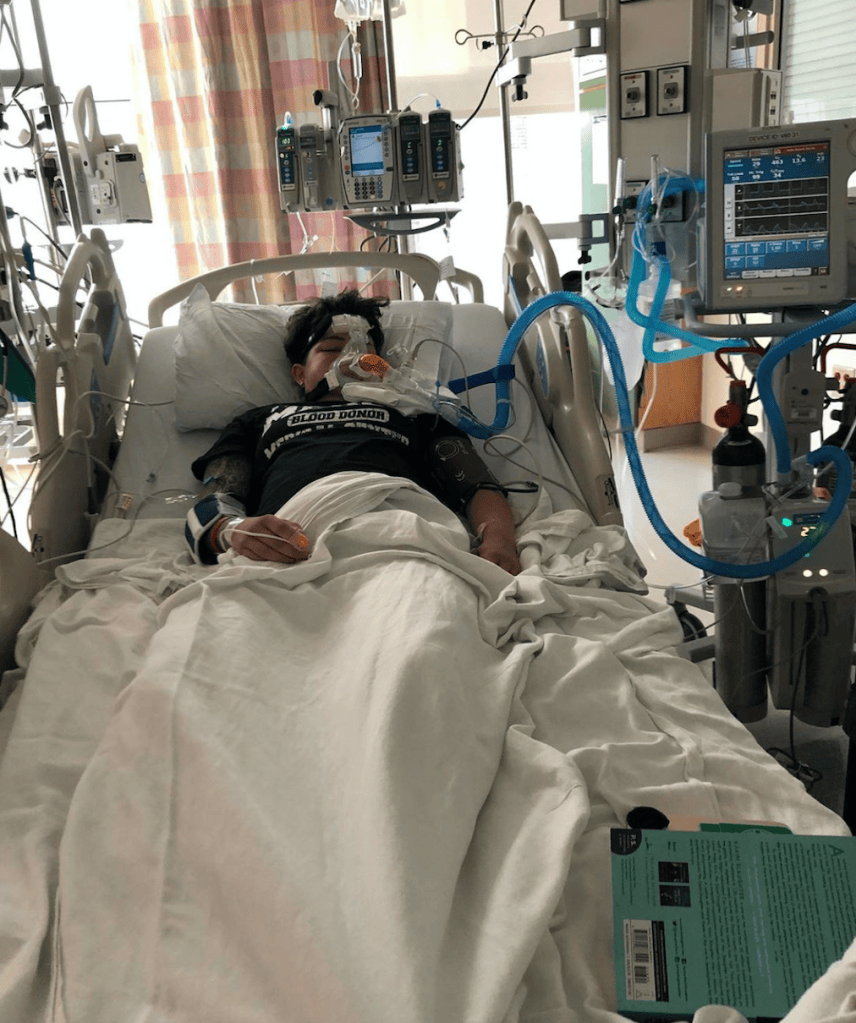
I was diagnosed in August of 2019, two months after losing my best friend. Sam was in a medically induced coma for 6 weeks before losing her battle to her own chronic health illness. It was extremely traumatizing having to bury one of the closest people in my life and apparently stress can exacerbate IC – my own health issues were in full swing at this point. Both illnesses changed my life irreparably, and I’ll never be okay with that. This may be selfish of me to say, but I lost the one person who fully understood what I am going through and it really sucks not having that outlet anymore.
An Off Switch I Don’t Control
Even though finding out I had a chronic condition explained a plethora of symptoms that went previously unexplained, learning that I was now practically disabled, was a hard pill to swallow. The only things that kept me going during the dirge that followed was keeping myself busy long enough so I had no time to think about it.
My diagnosis floored me. There are literal physical things I can’t do anymore, and goals I’ll never achieve, because my body had developed its own turn-off switch that I’m not in control of. For instance, I can’t keep up with my friends, and traveling is way more challenging than it once was. I have to abide by a different timetable, and make sure that I do daily pelvic exercises. I have to monitor everything I put into my body and keep notes on what causes a flare. I also have to be careful to not push myself too hard when exercising because that can also cause damage. I don’t look too far towards the future because my body has the potential to deconstruct at any point and that terrifies me. And before anyone starts, that’s not negativity—it’s my reality.
Any initial relief I had in explaining why I am the way I am—and no, it’s not in my head, and I’m not making it up, either—was soon replaced by a generalized dread that doesn’t really subside, nor should it. I’m living with a disease and it’s degenerative—how exactly should I feel about that? How much longer until I accept it with the ease of a Netflix cancellation? Answer: NEVER.
My Life Before Diagnosis

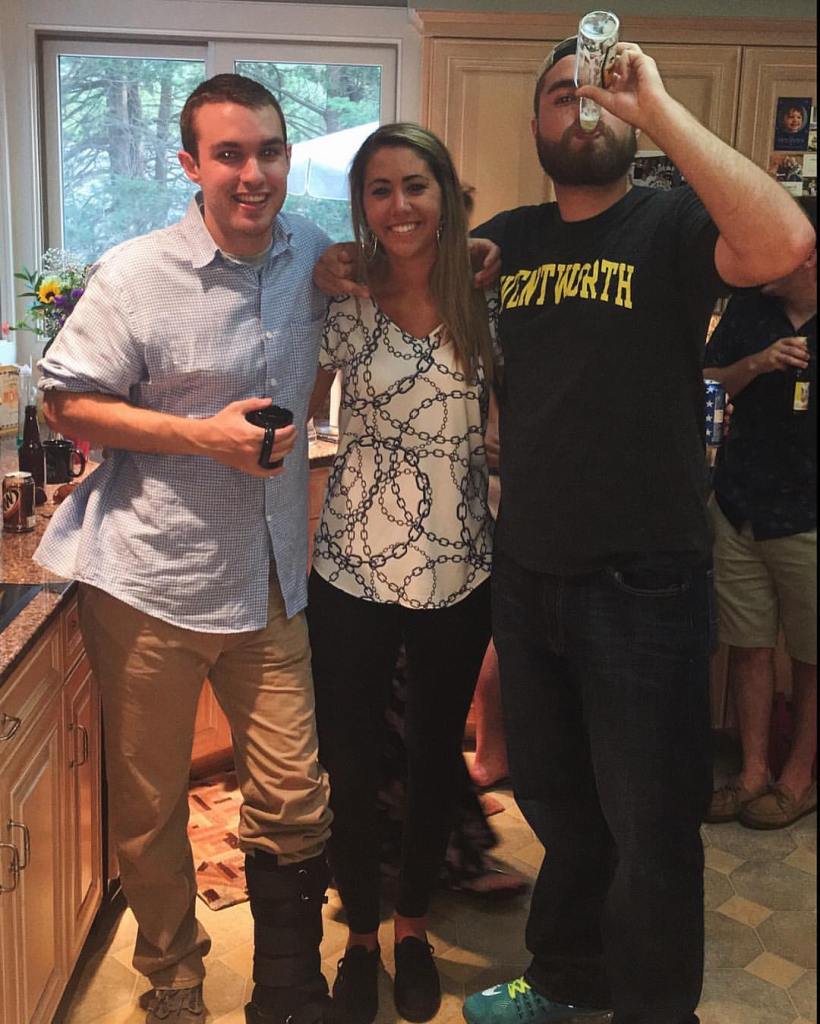

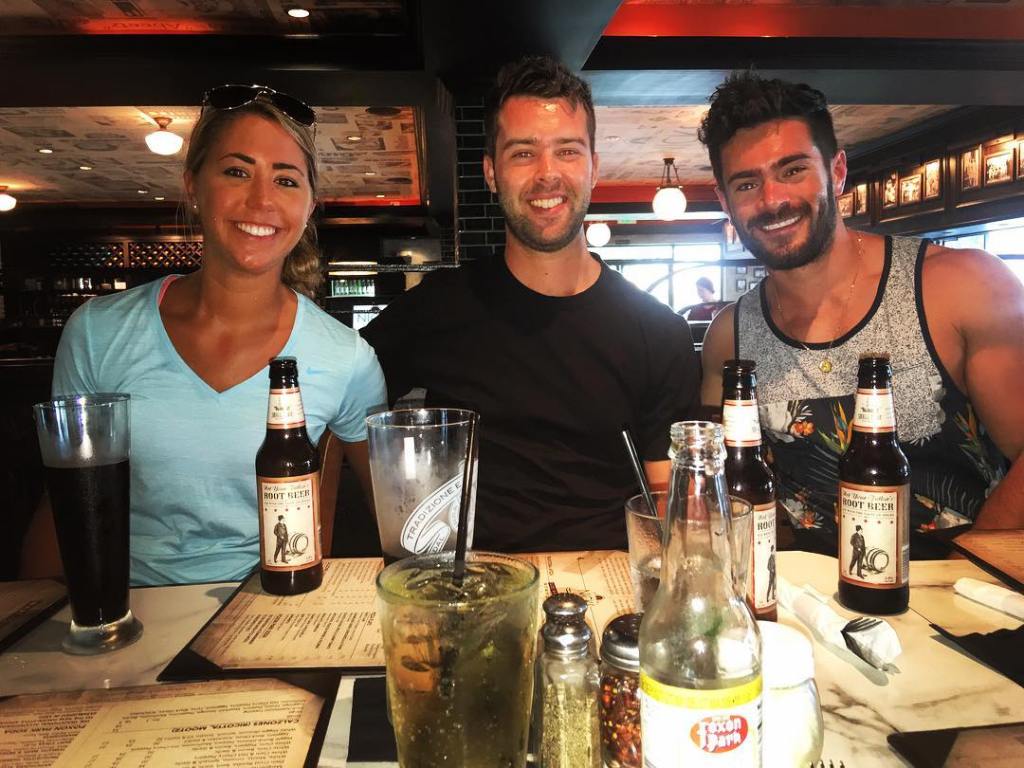
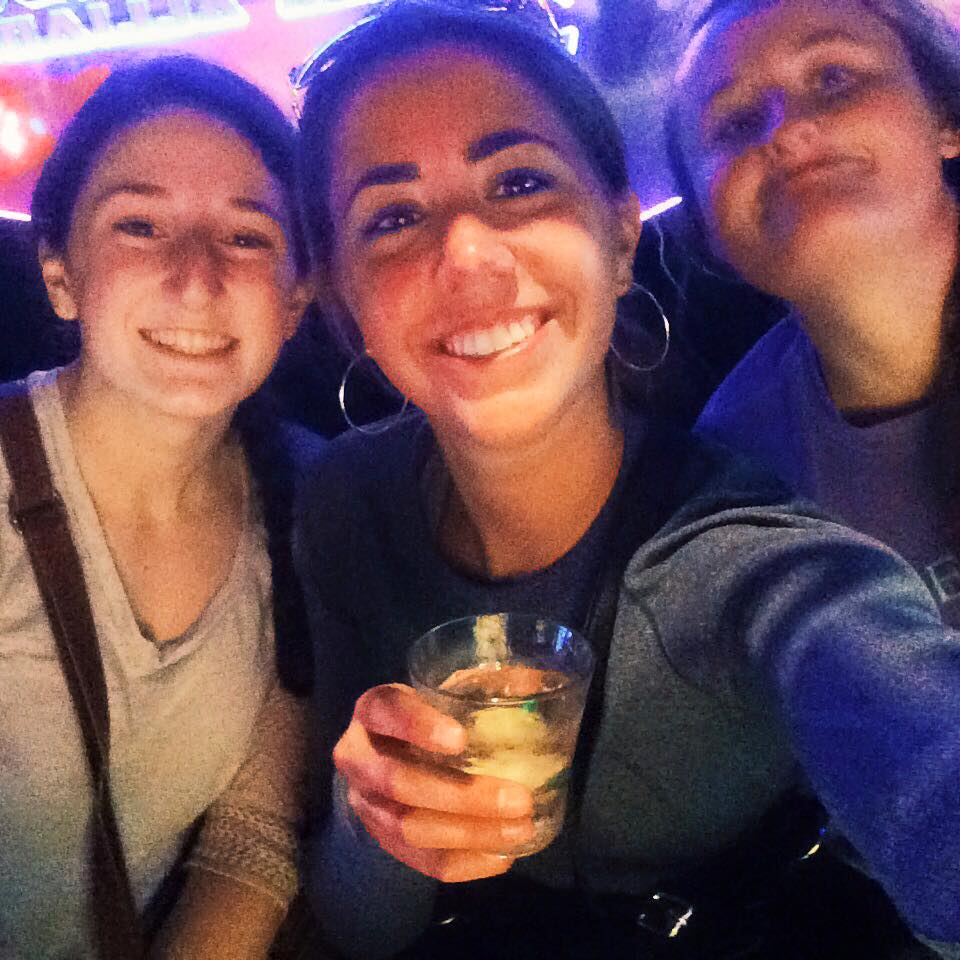
Up until IC and PFD struck me down several of months ago, I was a healthy, thriving 20-something year old with energy to spare. As a property manager and assistant ice hockey coach, I spent my days juggling dozens of tasks, then blowing off work-related steam by moving my body: I ran and lifted almost everyday in addition to playing ice hockey weekly. As an avid pianist, I would spend hours on my midi keyboard recording various tracks and would then share my creations on SoundCloud. In my free time, I would be hanging out with my friends at a local restaurant or bar or attending sporting events.
But since developing this illness, those activity-filled days feel like a distant dream. I have to keep a fairly light schedule because being on my feet for too long can cause extreme pain. And although I’ve made some decent progress on my road to recovery, there are still days where my workouts have to be modified and other days where I can’t workout at all. It’s extremely challenging trying to find a happy medium between exercise and rest because too much of one can be detrimental, leading to a flare. Even sitting for long periods of time can cause discomfort making it hard to continue practicing piano and going out to eat with friends.
A Diagnosis Is Not A Tidy Bow
Some therapists and healthcare professionals would like a diagnosis wrapped up neatly with a bow or placed in the correct trash can for recycling. A reusability. A sense of understanding or acceptance within a respectable timescale. However, learning to live with a new normal doesn’t just take time, but the effort of rebooting a beloved franchise. And as any sick person knows, effort is something in extremely short supply. My phone battery is running at 4% constantly and the wire to my charger is becoming dangerously frayed.
Obviously, it’s not my job, nor anyone else’s, to make onlookers “feel better” about the disease that I have to live with. And the same goes for grief. If you’re uncomfortable because I’ll be mourning my friend forever, in my own way, then that’s your problem, not mine. My body has refused to conform to any supposed “norm” and my brain’s following suit.
I’m probably coming off as negative which is… well, accurate. I didn’t want this disease, but a lot of people have to deal with things they don’t want – it’s part of life. It’s been a very slow, and difficult process for me but I’m learning to love my IC. As much as I hate what it’s doing to me physically, the life I am building is becoming a beautiful one and I am pretty damn proud of the impact I have had on the IC community. So yes, I hate my diagnosis, but I am loving the path I am creating and it’s only the beginning.
And I’m still learning to handle other people’s reactions – by literally not giving a shit.
In case it needs stating: There is zero reason that anyone with a chronic condition should perfectly process their diagnosis, apart from to make other people feel better about it.
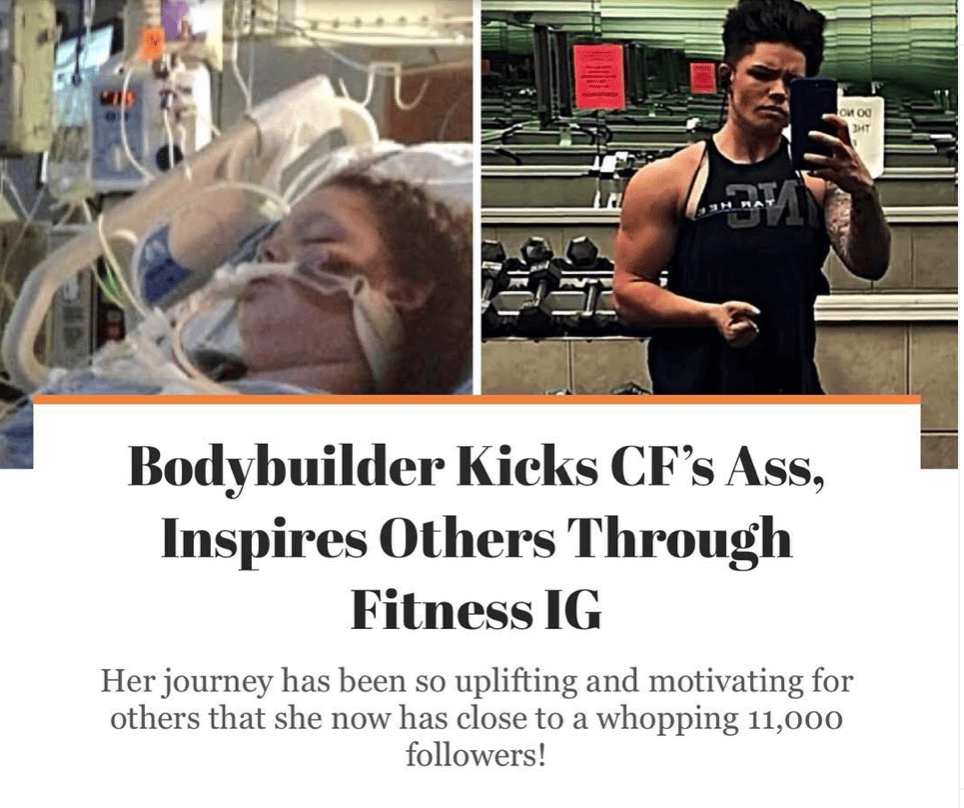
But just because I refuse to accept the chronic condition I’m stuck with, that doesn’t mean that I’m not living. I live in spite of my condition. Interstitial Cystitis isn’t all of me, although on some days it consumes me, tries to convince me I’m dying. I might never shift the anxiety it’s amped up in me and I sure as hell will never be happy I have a degenerative disease. And my best friend is still dead, incase you forgot (I didn’t). I plan to continue bringing awareness to my chronic illness the same way that Sam did – through blogging (and through fitness). Just know that I will never be okay with either thing, and not being okay is absolutely the only way for me to be. I’m managing the best that I possibly can and will forever wear my brave face.


I really feel for you. Just hang on, and GOD will give you strength to walk more everyday. As time travels fast, and so do many medical inventions come up. Hopefully there will be definite cure for IC too soon enough. Just hang on.
LikeLike